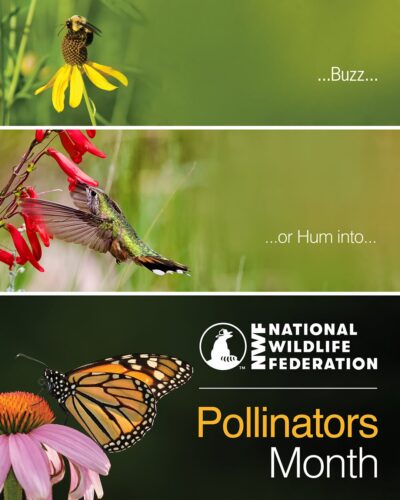

Every June, communities across the United States celebrate Pollinator Month, a time dedicated to recognizing the essential role that pollinators play in our environment, food systems, and daily lives. While these hardworking creatures are often small and easy to overlook, their impact is enormous. From the fruits and vegetables on our plates to the flowers that brighten our landscapes, pollinators help sustain the ecosystems we depend on.
What Is Pollinator Month?
Pollinator Month is an annual celebration that raises awareness about the importance of pollinators and encourages individuals, businesses, schools, and communities to take action to protect them. The observance highlights the challenges pollinators face and promotes practices that support healthy pollinator populations.
Pollinators include a diverse range of animals such as bees, butterflies, moths, hummingbirds, bats, beetles, and other insects. As they move from flower to flower in search of nectar or pollen, they transfer pollen between plants, enabling many species to reproduce.
Why Are Pollinators Important?
Pollinators are responsible for the reproduction of nearly 90% of flowering plants and help pollinate more than one-third of the world’s food crops. Apples, blueberries, pumpkins, almonds, cucumbers, and countless other foods rely on pollinators to produce healthy harvests.
Beyond agriculture, pollinators contribute to healthy ecosystems by supporting plant diversity, which provides food and habitat for wildlife. Their work helps maintain forests, grasslands, gardens, and natural areas that benefit both people and animals.
Without pollinators, many plant species would decline, affecting entire food webs and reducing biodiversity.
Challenges Facing Pollinators
Unfortunately, pollinator populations have experienced significant declines in recent decades. Several factors contribute to these losses, including:
- Habitat destruction and fragmentation
- Increased pesticide use
- Climate change and extreme weather events
- Invasive species and diseases
- Limited availability of native flowering plants
As natural habitats disappear, pollinators often struggle to find the food, shelter, and nesting sites they need to survive.
How You Can Help
The good news is that everyone can make a difference. Whether you have a large backyard, a small patio, or a community space, there are simple ways to support pollinators:
Plant Native Flowers
Native plants provide the nectar and pollen that local pollinators depend on. Choose a variety of plants that bloom throughout the growing season to provide a continuous food source.
Reduce Pesticide Use
Whenever possible, use environmentally friendly pest management practices and avoid applying pesticides when pollinators are active.
Create Pollinator Habitat
Leave some areas of your landscape natural, provide nesting sites for native bees, and include water sources for pollinators.
Support Local Conservation Efforts
Participate in community gardening projects, conservation programs, and educational events focused on pollinator protection.
Spread Awareness
Share information about pollinators with friends, family, and neighbors. Small actions taken by many people can have a significant impact.
A Shared Responsibility
Pollinator Month serves as an important reminder that the health of pollinators is closely connected to our own well-being. Protecting these species helps secure food production, supports biodiversity, and strengthens the resilience of our ecosystems.
This June, take a moment to appreciate the bees buzzing through gardens, the butterflies drifting between flowers, and the many other pollinators working quietly behind the scenes. By creating pollinator-friendly spaces and making thoughtful choices, we can all play a part in ensuring these vital species continue to thrive for generations to come.
Together, we can turn awareness into action and help build a healthier future for pollinators—and for ourselves.